
News Summary
Hamilton County’s building regulations permitting construction in floodplains have raised concerns among residents and experts. These practices increase risks of flooding and higher insurance costs, particularly within the 100-year flood zone. Without participation in the National Flood Insurance Program, local homeowners may face escalating challenges with flood insurance, impacting the housing market. Experts urge local governance to implement immediate changes to zoning regulations to mitigate flooding risks and ensure community safety.
Hamilton County’s Floodplain Building Regulations Raise Concerns Over Increased Flood Risks and Insurance Costs
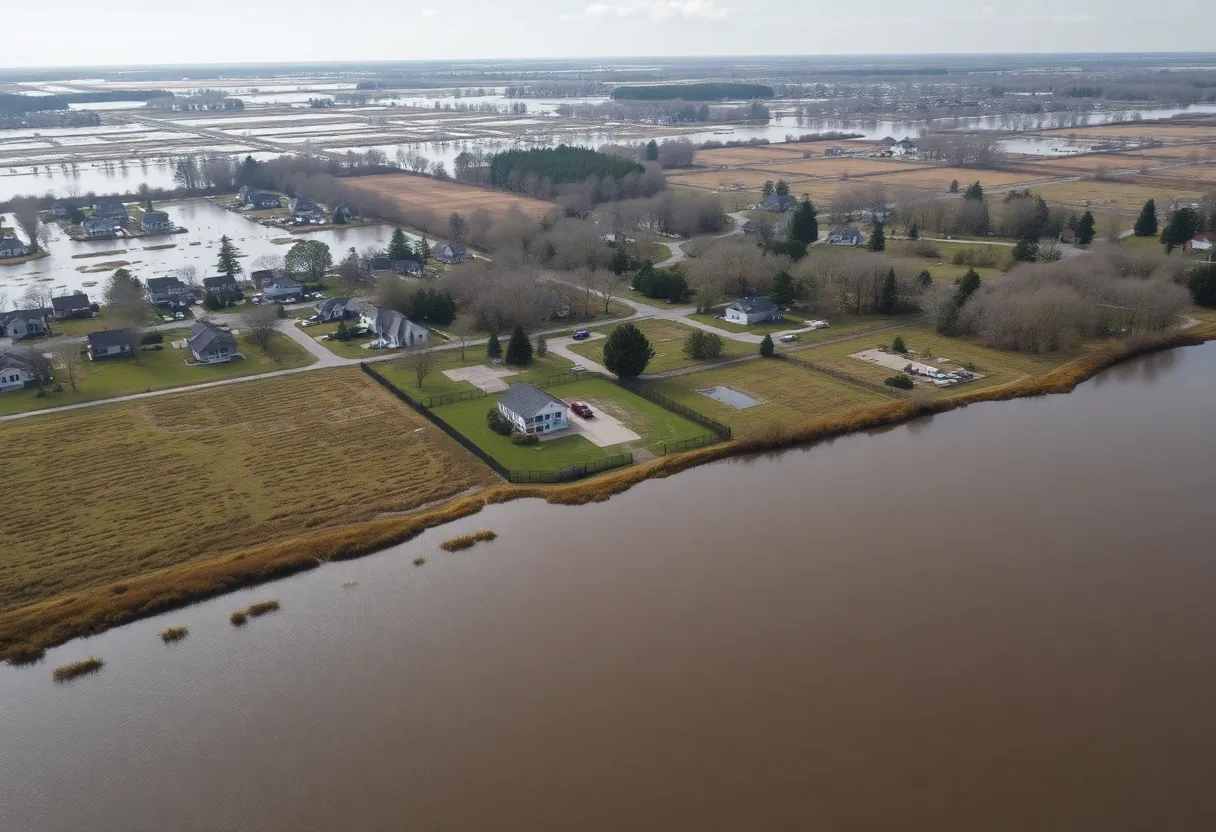
Hamilton County’s current building regulations allow extensive construction in floodplains if structures are elevated at least one foot above the designated flood zone elevation. This practice has raised alarm among experts and residents concerned about the associated risks of flooding and escalating insurance costs.
The floodplains in question are categorized as the 100-year flood zone, indicating a one percent chance of flooding in any given year. It is crucial to note that the term “100-year flood” does not imply that flooding occurs every century but rather reflects an annual statistical risk. The Federal Emergency Management Agency (FEMA) designates such areas as Special Flood Hazard Areas (SFHA), where homeowners may be required to obtain flood insurance, particularly if they hold federally backed mortgages.
Statistics indicate that a home located within the 100-year floodplain has a 26 percent chance of flooding during a standard 30-year mortgage. This poses significant implications for homeowners and the overall housing market in Hamilton County, especially in light of the potential loss of access to the National Flood Insurance Program (NFIP). Such a loss could severely impact building and sales activities requiring flood insurance.
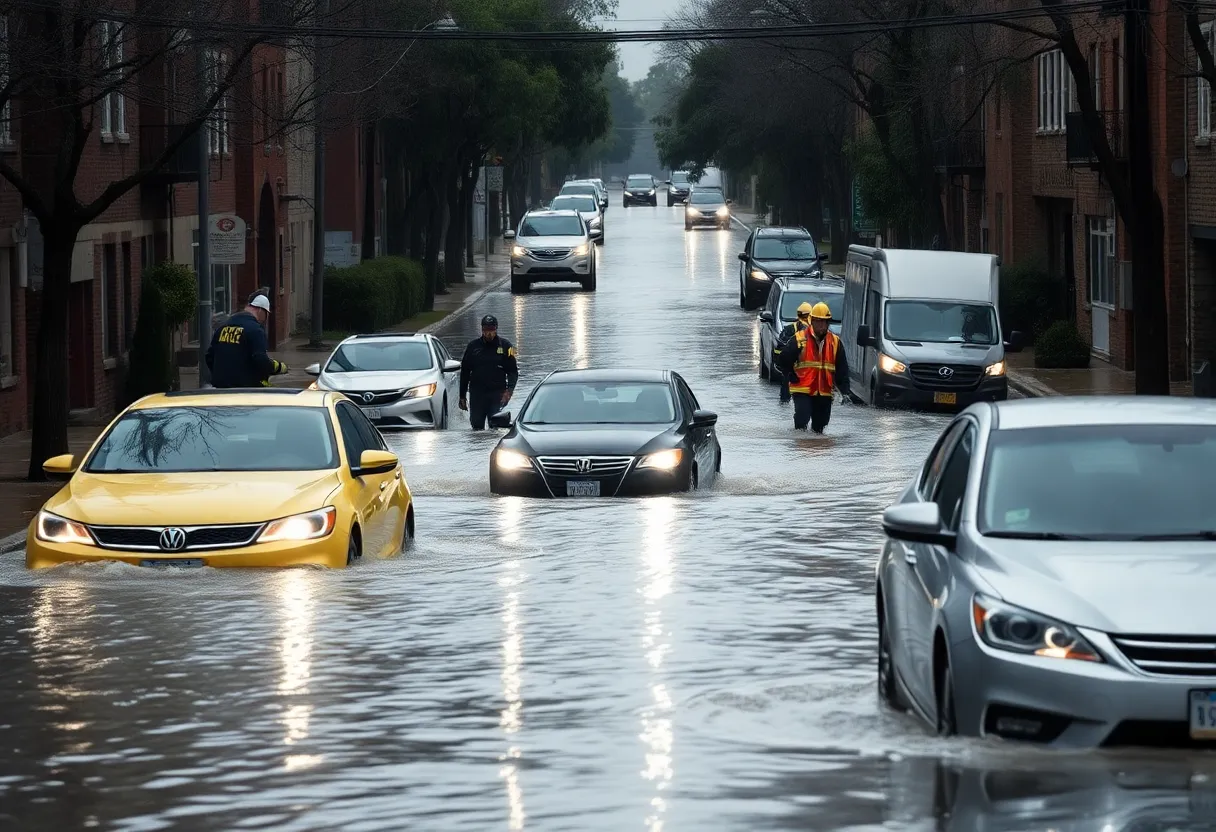
Notably, flooding is not exclusively confined to designated flood zones. Flood risk models suggest that FEMA’s flood maps may not fully encompass actual flood risks. Developers often engage in practices like filling in floodplains to facilitate construction, which can inadvertently elevate flood risks for neighboring properties. As flood insurance premiums are determined by FEMA based on assessed flood risk, communities like Hamilton County may find themselves facing higher costs if construction in vulnerable areas continues.
The NFIP features a Community Rating System (CRS) that offers flood insurance discounts for participating communities that undertake flood risk mitigation efforts. Discounts through CRS participation can range between 5 and 45 percent, with policyholders in participating communities enjoying an average annual savings of $162. In contrast, Hamilton County currently does not participate in this effective program, while neighboring Davidson County, encompassing Nashville, manages to provide a 10 percent discount due to its involvement.
Building in flood-prone areas presents challenges to achieving affordable housing. Many construction projects require costly filling of the land, which complicates housing development agendas. The act of filling floodplains is considered encroachment and may potentially violate regulations designed to preserve open spaces, leading to a decrease in community ratings and credits.
Soil conditions in Hamilton County also exacerbate the situation, as the area has a reputation for poor absorption capabilities, resulting in high water tables within floodplain regions. Recently, a proposal titled Plan Hamilton suggested limiting the extent of filling within floodplains to two-thirds of the total distance. However, developers have argued in favor of a three-fourths limit. Relying solely on distance as a regulation might fail to address the broader implications of filling areas within a circular floodplain.
A particular development case in Ooltewah exemplifies the ongoing challenges: plans to fill 26 acres of flood zone were approved under the current regulations and construction is actively progressing, raising community concerns.
Experts point out that continuous building within flood zones may exacerbate the risk of flooding. FEMA has acknowledged the growing risks due to construction practices, a fact that appears to not be prioritized within Hamilton County’s current planning framework. Advocates for safer practices are urging for changes in zoning regulations to mitigate the impact of flooding risks for new homeowners while also protecting surrounding properties.
Ultimately, high flood insurance rates in the region may be linked to established policies that permit construction in filled areas, risking the community’s eligibility for the NFIP. Addressing these pressing concerns requires immediate and thoughtful intervention on the part of local governance to ensure the safety and viability of Hamilton County’s neighborhoods.
Deeper Dive: News & Info About This Topic
HERE Resources
Additional Resources
- News Journal: New Sewer Ordinance
- Vicksburg Post: Floodplain Regulations
- NewsChannel9: Hamilton County Liquor Laws
- Adirondack Almanack: Hamilton County Progress
- Local 3 News: Ooltewah Flooding
- Wikipedia: Floodplain
- Google Search: Hamilton County Flood Regulations
- Google Scholar: Hamilton County Flood Insurance
- Encyclopedia Britannica: Floodplain
- Google News: Hamilton County Flooding


Author: STAFF HERE CHATTANOOGA WRITER
The CHATTANOOGA STAFF WRITER represents the experienced team at HEREChattanooga.com, your go-to source for actionable local news and information in Chattanooga, Hamilton County, and beyond. Specializing in "news you can use," we cover essential topics like product reviews for personal and business needs, local business directories, politics, real estate trends, neighborhood insights, and state news affecting the area—with deep expertise drawn from years of dedicated reporting and strong community input, including local press releases and business updates. We deliver top reporting on high-value events such as Riverbend Festival, Chattanooga Oktoberfest, and Moon River Festival. Our coverage extends to key organizations like the Chattanooga Area Chamber of Commerce and United Way of Greater Chattanooga, plus leading businesses in manufacturing, insurance, and utilities that power the local economy such as Volkswagen Chattanooga, BlueCross BlueShield of Tennessee, and EPB. As part of the broader HERE network, including HEREBristol.com, HEREKnoxville.com, HEREMemphis.com, and HERENashville.com, we provide comprehensive, credible insights into Tennessee's dynamic landscape.