

Chattanooga, October 6, 2025
News Summary
Chattanooga residents are observing an increase in woolly aphid populations this season, with these fuzzy insects impacting primarily hackberry and sugarberry trees. Experts note that while woolly aphids are classified as invasive, they do not cause long-term environmental harm. The presence of honeydew can lead to dark mold, raising concerns among homeowners. Management strategies include rinsing smaller trees or seeking professional help for larger infestations. The current peak in population is expected to decline with the arrival of colder temperatures.
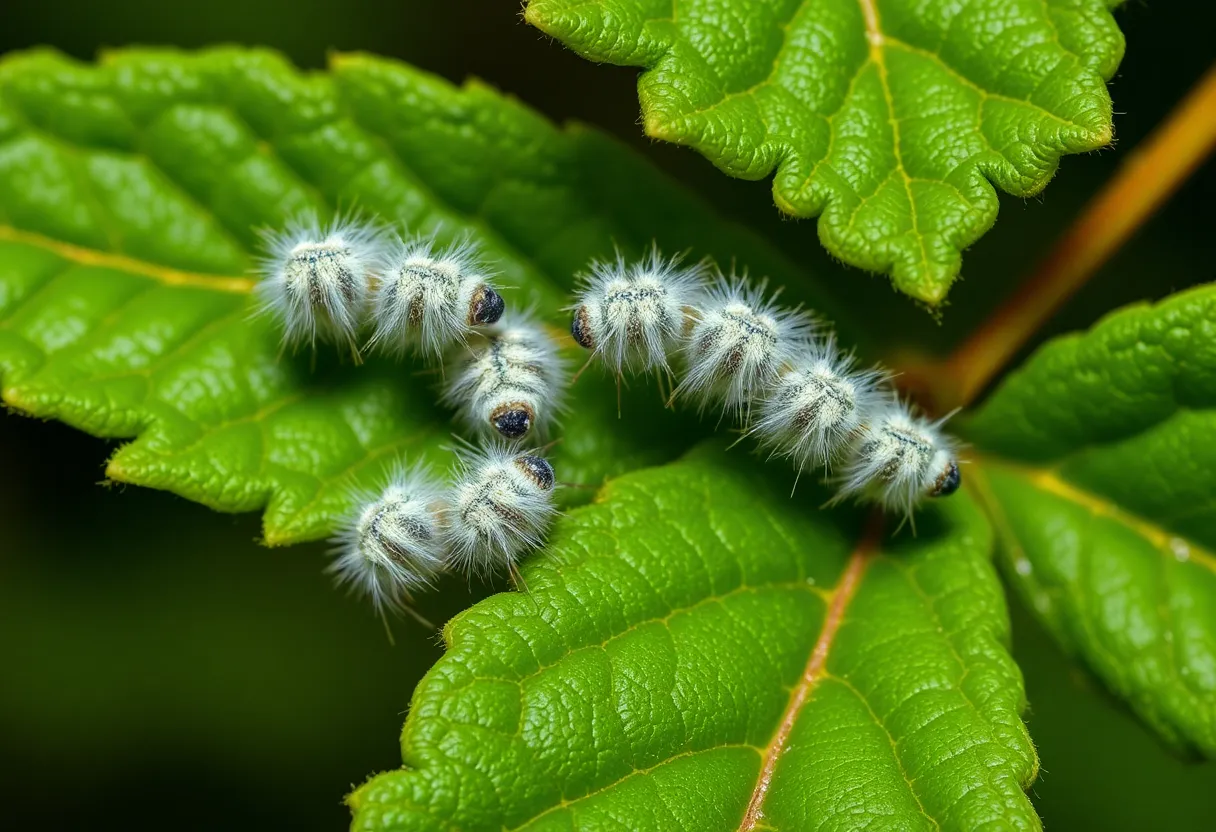
Chattanooga is currently experiencing a noticeable surge in populations of woolly aphids, which are small insects accompanied by a white, fuzzy coating that has caught the attention of residents. These aphids, which have been mistaken for snowflakes or plant fuzz, are particularly visible this year as a result of the mild winter previously encountered in the region.
According to experts, woolly aphids are classified as an invasive species but pose no significant long-term harm to the environment. Robert Baehr, the Service Manager at Arrow Exterminators, has pointed out that these insects mainly target hackberry and sugarberry trees. Since being introduced to the United States in the 1990s via imported nursery plants from Asia, woolly aphids have established themselves in several regions.
As the woolly aphid population peaked about 2-3 weeks ago, their feeding habits have been noticeable, as they consume sap from their host trees. This feeding results in the production of a sugary substance known as honeydew, which can lead to the development of a dark mold called sooty mold on the trees and surrounding areas. Although this mold can be unsightly, it does not cause any damage to homes. The presence of woolly aphids may stunt tree growth, but most trees are generally able to recover naturally once the infestation subsides.
While homeowners encountering other types of trees might not see much impact, those with smaller hackberry trees can wash off woolly aphids using water or a soap mixture, or by applying neem oil. For larger affected trees, consulting arborists or pest control professionals is recommended. Importantly, while woolly aphids may cause some concern for tree health, they do not threaten flowers or indoor plants.
The current conditions suggest that the woolly aphid population will diminish as temperatures drop, with expectations they will die off during the first freeze. Baehr forecasts their presence in the Tennessee Valley for an additional one to one and a half months. Additionally, woolly aphids are not harmful to humans, making them more of a nuisance than an actual threat.
Midhula Gireesh, an extension specialist at the University of Tennessee, adds that these pests are primarily a nuisance rather than a serious problem for trees. The accumulation of excess honeydew can result in unsightly sooty mold on plants, vehicles, and outdoor furniture. Natural predators, such as wasps and lady beetles, naturally help to regulate woolly aphid populations. Experts discourage excessive use of insecticides, as these measures may not be necessary and could harm beneficial insect species.
In scenarios where there are severe infestations, removing host plants or targeted insecticides may be required. Woolly aphids are notoriously difficult to eliminate entirely. Management practices frequently involve removing the honeydew produced or using systemic pesticides, which can render affected plants toxic to the aphids.
Generally, woolly aphid visibility increases during late summer and falls into decline from late October to November. Awareness and understanding of these pests can aid homeowners in dealing with them effectively in the Chattanooga area.
FAQ
What are woolly aphids?
Woolly aphids are insects that are recognized by their cotton-like waxy coating which helps them float.
Are woolly aphids harmful to the environment?
Woolly aphids are an invasive species but are not harmful to the environment long-term.
What trees do woolly aphids affect?
Woolly aphids primarily affect hackberry and sugarberry trees.
How can homeowners manage woolly aphids?
Homeowners can rinse aphids off smaller hackberry trees with water or a mixture of water and dish soap, or use Neem Oil. For larger trees, it is advisable to consult arborists or pest control companies.
Will woolly aphids damage flowers or indoor plants?
No, woolly aphids do not damage flowers or indoor plants.
What is the expected timeline for the decline of woolly aphids?
The population of woolly aphids is expected to decrease as temperatures drop and they should die off with the first freeze. Their presence is predicted for an additional month to a month and a half.
Key Features of Woolly Aphids
| Feature | Description |
|---|---|
| Appearance | White, fuzzy specks that are insects with a cotton-like waxy coating |
| Impact on Environment | Invasive but not long-term harmful |
| Affected Trees | Primarily hackberry and sugarberry trees |
| Management | Rinse with water or soap; consult professionals for larger trees |
| Human Health | Not harmful to humans |
| Population Timeline | Visible late summer and fall, declining from late October to November |
Deeper Dive: News & Info About This Topic
HERE Resources
Additional Resources
- Local 3 News: Woolly Aphids Swarming the Tennessee Valley
- Times Free Press: White Furry Visitors in Chattanooga
- Nooga Today: Expert on Native Flowers in Chattanooga
- Arkansas Online: Beware the Bugs
- Times Free Press: These Aren’t Your Grandmother’s Ladybugs
- Wikipedia: Aphid
- Google Search: Woolly Aphids
- Google Scholar: Woolly Aphids
- Encyclopedia Britannica: Woolly Aphids
- Google News: Woolly Aphids


Author: STAFF HERE CHATTANOOGA WRITER
The CHATTANOOGA STAFF WRITER represents the experienced team at HEREChattanooga.com, your go-to source for actionable local news and information in Chattanooga, Hamilton County, and beyond. Specializing in "news you can use," we cover essential topics like product reviews for personal and business needs, local business directories, politics, real estate trends, neighborhood insights, and state news affecting the area—with deep expertise drawn from years of dedicated reporting and strong community input, including local press releases and business updates. We deliver top reporting on high-value events such as Riverbend Festival, Chattanooga Oktoberfest, and Moon River Festival. Our coverage extends to key organizations like the Chattanooga Area Chamber of Commerce and United Way of Greater Chattanooga, plus leading businesses in manufacturing, insurance, and utilities that power the local economy such as Volkswagen Chattanooga, BlueCross BlueShield of Tennessee, and EPB. As part of the broader HERE network, including HEREBristol.com, HEREKnoxville.com, HEREMemphis.com, and HERENashville.com, we provide comprehensive, credible insights into Tennessee's dynamic landscape.