

Chattanooga, October 6, 2025
News Summary
Residents of Chattanooga are observing fluffy, white woolly aphids in the air, raising both curiosity and concern. These small insects, with varying impacts depending on their species, can produce honeydew while feeding on tree sap. Although primarily nuisance pests, some species like the woolly apple aphid can hinder plant growth. Community education on management and control measures is becoming increasingly important as the presence of these aphids becomes more noticeable.
Chattanooga
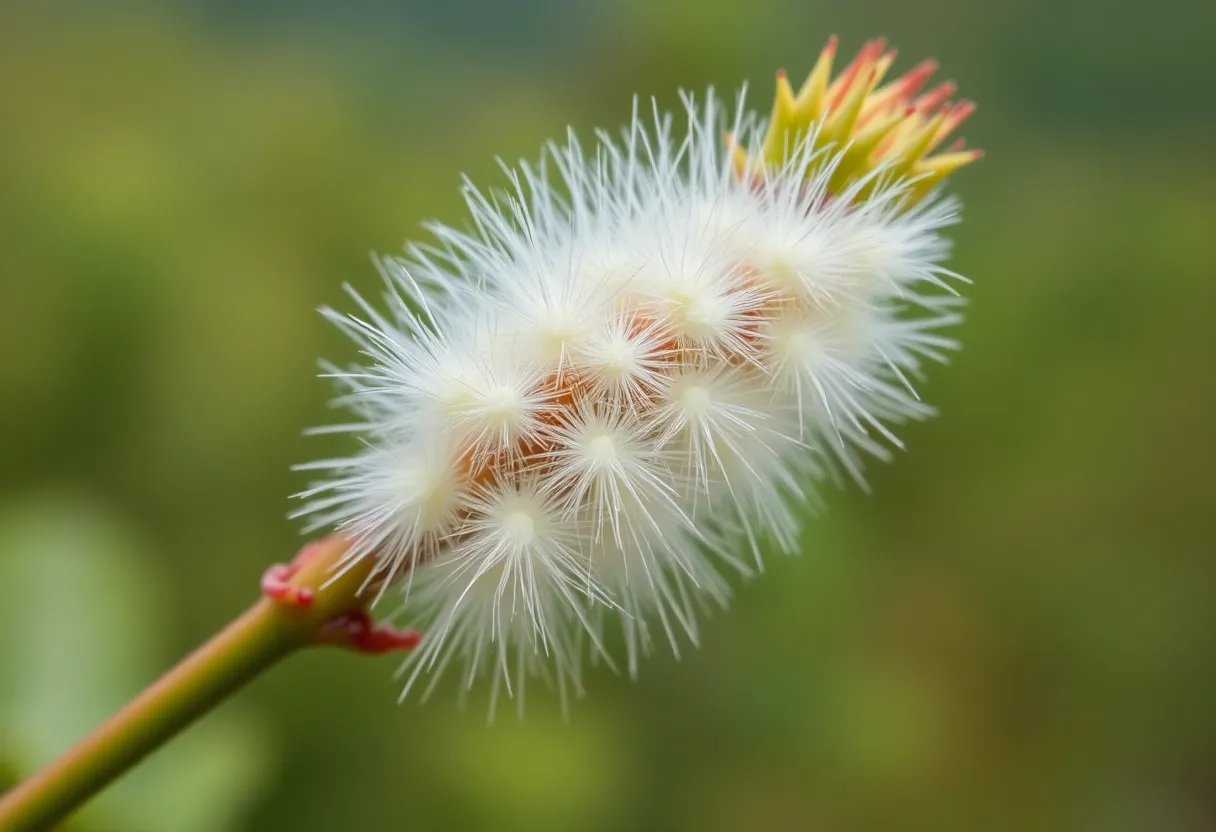
Fluffy, white objects appearing in the air around Chattanooga have been identified as woolly aphids. These small creatures, covered in a waxy coating, can easily navigate through the air, raising both interest and concern among local residents.
Woolly aphids encompass several species, and their impact can vary significantly depending on which type is present. The woolly apple aphid is native to eastern North America, while the woolly hackberry aphid, which is introduced from Asia, has been noted for its rapid spread. First detected in Georgia in 1996, the woolly hackberry aphid has now made its way throughout the southeastern U.S., including states like Texas, Oklahoma, and California.
These aphids feed on plant or tree sap through their piercing, sucking mouthparts, producing a sticky byproduct known as honeydew. The accumulation of honeydew can lead to mold growth, particularly sooty mold, which can coat host trees and nearby surfaces, rendering them less visually appealing.
While the woolly hackberry aphids are predominantly nuisance pests, woolly apple aphids can have a more detrimental effect through the formation of galls on the roots of plants, which can impede growth. Gall-forming insects are typically specific to their host species.
In most cases, healthy trees do not require control measures for woolly aphids, although woolly apple aphids may necessitate interventions in certain situations. The presence of natural predator populations usually keeps woolly aphid numbers manageable, reducing the need for chemical insecticides.
However, in instances of severe infestations, options like plant removal or insecticide applications may be necessary. It is crucial to carefully read product labels before using any insecticides. Sprayed-on products might not effectively combat woolly aphids due to their protective waxy coverings; versus, systemic insecticides that are absorbed into plant tissues may offer better results.
Residents can manage the presence of woolly aphids by maintaining regular upkeep of their plants. This includes cleaning surfaces impacted by honeydew and using a strong stream of water to dislodge aphids from their host plants.
The populations of these aphids typically decline from late October to November, and they exhibit no visible activity during the winter months. As the presence of woolly aphids continues to garner attention in Chattanooga, there is a growing need for community education on their behaviors and control measures. Residents are encouraged to reach out to local extension offices for assistance and information.
FAQ Section
What are woolly aphids?
Woolly aphids are small, fluffy, white insects that can be identified by their waxy coating, making their navigation in the air easier.
What harm can woolly aphids cause?
While some species of woolly aphids are merely nuisance pests, the woolly apple aphid can induce root galls, hindering plant growth.
Should I be concerned if I see woolly aphids on my plants?
Healthy trees typically do not require control measures for woolly aphids, although woolly apple aphids might need intervention if present in large numbers.
How can I manage woolly aphids?
Regular maintenance, such as cleaning surfaces affected by honeydew and using a strong stream of water to dislodge aphids, can help manage their presence.
When do woolly aphid populations decline?
Woolly aphid populations generally decline from late October to November, with no visible activity during the winter months.
Chart on Key Features of Woolly Aphids
| Feature | Description |
|---|---|
| Appearance | Fluffy, white insects with a waxy coating |
| Types | Woolly apple aphid, woolly hackberry aphid |
| Feeding method | Use piercing, sucking mouthparts to feed on plant sap |
| Byproduct | Honeydew, which can lead to mold growth |
| Impact | Nuisance pests or induce root galls |
| Control measures | Regular maintenance, insecticides for serious infestations |
Deeper Dive: News & Info About This Topic
HERE Resources
Chattanooga Faces Woolly Aphid Surge This Season
Additional Resources
- White Furry Visitors Are a Chattanooga Area Concern
- Wikipedia: Aphid
- Mocs Get to Rest Before Tackling Rest of Season
- Google Search: Chattanooga news
- What Can Hurricane Helene Teach Chattanooga?
- Google Scholar: Hurricane Helene
- Kennedy Goat: Lady of Maclellan Island
- Encyclopedia Britannica: Goats
- Obituary: Dusty Day
- Google News: Obituaries


Author: STAFF HERE CHATTANOOGA WRITER
The CHATTANOOGA STAFF WRITER represents the experienced team at HEREChattanooga.com, your go-to source for actionable local news and information in Chattanooga, Hamilton County, and beyond. Specializing in "news you can use," we cover essential topics like product reviews for personal and business needs, local business directories, politics, real estate trends, neighborhood insights, and state news affecting the area—with deep expertise drawn from years of dedicated reporting and strong community input, including local press releases and business updates. We deliver top reporting on high-value events such as Riverbend Festival, Chattanooga Oktoberfest, and Moon River Festival. Our coverage extends to key organizations like the Chattanooga Area Chamber of Commerce and United Way of Greater Chattanooga, plus leading businesses in manufacturing, insurance, and utilities that power the local economy such as Volkswagen Chattanooga, BlueCross BlueShield of Tennessee, and EPB. As part of the broader HERE network, including HEREBristol.com, HEREKnoxville.com, HEREMemphis.com, and HERENashville.com, we provide comprehensive, credible insights into Tennessee's dynamic landscape.