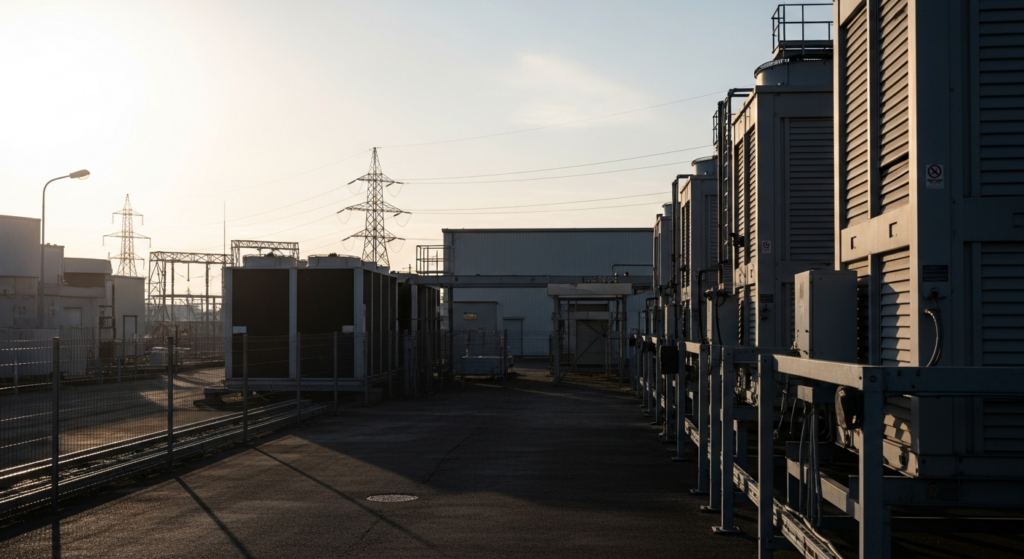
Meta, the social media and technology conglomerate, is set to begin manufacturing its own artificial intelligence chips in September. This move is part of the company’s broader in-house program to develop training and inference accelerators, signaling a significant expansion in its computing infrastructure. The chips are designed to augment existing graphics processing units (GPUs), which are critical for the intensive computations required by modern AI models.
The initiative highlights a growing trend among major technology firms to develop custom silicon, aiming for greater efficiency and control over their AI operations. Industry reports indicate Meta’s ambitious goal to expand its computing capacity to 14 gigawatts by 2027. This substantial target reflects the escalating demand for processing power needed to train and deploy increasingly complex AI applications, from advanced language models to sophisticated content recommendation systems.
Such a large-scale infrastructure buildout has wide-ranging implications, extending beyond the immediate technology sector to influence energy markets, supply chains, and regional economic development. For cities like Chattanooga, known for its robust fiber optic network and strategic location, these global shifts in AI infrastructure warrant close observation.
The demand for immense power to operate these next-generation data centers is a primary concern. The Tennessee Valley Authority (TVA), which provides electricity to Chattanooga and much of the Southeast, plays a crucial role in meeting such industrial-scale energy needs. As companies like Meta project computing capacities in the gigawatt range, the stability and scalability of regional power grids become paramount. The TVA’s long-term energy planning and infrastructure investments could be directly impacted by the trajectory of AI development and the potential for new, large-scale data center deployments within its service area.
Chattanooga’s Electric Power Board (EPB), renowned for launching the world’s first community-wide gigabit internet in 2010, has established the city as a “Gig City.” This advanced fiber optic infrastructure, coupled with reliable power, positions Chattanooga as an attractive, albeit competitive, location for data-intensive operations. While no specific Meta data center plans for Chattanooga have been announced, the global push for AI infrastructure suggests that regions with strong utility services and connectivity will be increasingly sought after.
The ripple effects of Meta’s investment extend to technology employers and suppliers. Local companies in Chattanooga involved in electrical engineering, advanced manufacturing, and data center services could find new opportunities as the AI infrastructure market expands. The University of Tennessee at Chattanooga (UTC) could see increased demand for graduates with skills in data science, artificial intelligence, and electrical engineering, aligning its curriculum with emerging industry needs.
Furthermore, the broader business spending associated with AI infrastructure development could stimulate economic activity. From specialized cooling systems to advanced networking equipment, the supply chain for AI data centers is complex and extensive. Companies like Volkswagen Group of America, with its significant manufacturing presence in Chattanooga, may also be exploring how advanced AI can optimize their production processes, further driving demand for related technologies and services. The financial services sector, represented by major employers like BlueCross BlueShield of Tennessee, is also a significant consumer of data analytics and AI, making the availability of robust computing infrastructure a key consideration for their operational efficiency.
The strategic importance of custom chips for AI is a testament to the industry’s drive for performance and efficiency. By designing its own silicon, Meta aims to optimize its AI models, reduce reliance on external suppliers for core components, and potentially lower operational costs in the long run. This vertical integration strategy is becoming more common among tech giants, reflecting a maturation of the AI industry and a race to control the foundational elements of future computing.
The September production start date for Meta’s AI chip marks a tangible step in this ongoing infrastructure transformation. The projected 14-gigawatt capacity by 2027 underscores the sheer scale of investment and technological advancement anticipated in the coming years. These developments will continue to shape the landscape for technology companies, utility providers, and economic planners in Chattanooga and across the nation.
Local implications for Chattanooga
Meta’s aggressive move into in-house AI chip manufacturing and its vast computing capacity targets have direct implications for Chattanooga’s economic future and infrastructure. The city’s status as a “Gig City,” powered by EPB’s advanced fiber network and the Tennessee Valley Authority’s energy grid, positions it as a potential hub for future data center development. As global tech giants like Meta invest billions in AI infrastructure, the demand for reliable, high-capacity power and connectivity will only grow. This trend could influence decisions by other technology employers considering expansion or relocation, potentially bringing new jobs and investment to Chattanooga while also placing new demands on local utilities and educational institutions like the University of Tennessee at Chattanooga to develop a skilled workforce.