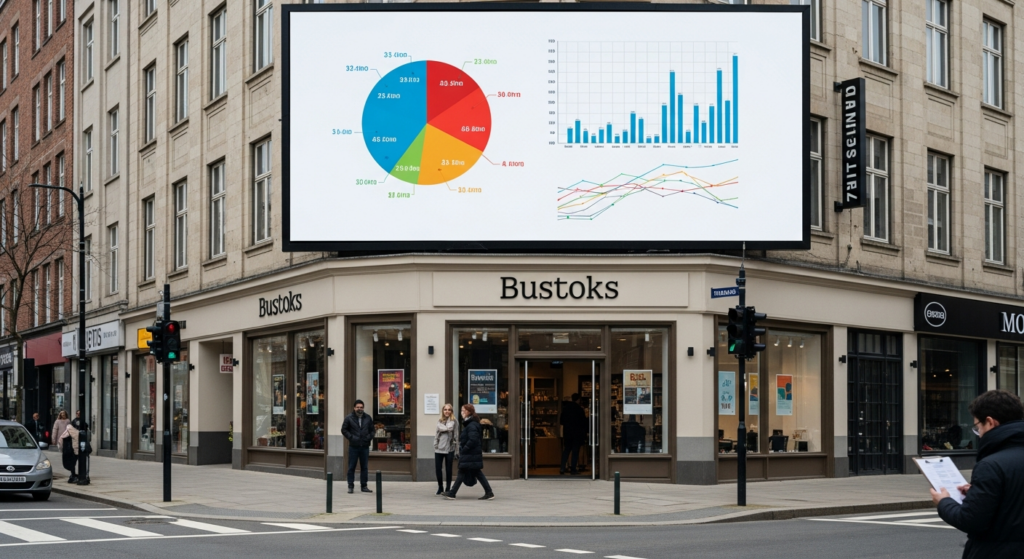
U.S. equity markets experienced a broad decline during the trading week concluding July 26, with technology and growth stocks particularly affected. The Nasdaq Composite Index registered the most significant drop among major benchmarks, falling 2.13 percent. The Standard & Poor’s 500 Index, a wider measure of market performance, lost 0.61 percent, while the Dow Jones Industrial Average, comprising 30 large U.S. companies, slipped 0.38 percent.
Investor sentiment was shaped by several key factors throughout the week. Second-quarter corporate earnings reports, which are closely watched for insights into company health and economic trends, provided a mixed picture that contributed to market volatility. While some companies met or exceeded expectations, others signaled challenges, leading to cautious trading.
Geopolitical developments in the Middle East also played a role in the market’s performance. Heightened tensions and uncertainties in the region often prompt investors to move towards safer assets, impacting global stock valuations. The specific nature of these developments was not detailed, but their influence on market sentiment was evident.
Further pressure came from ongoing trade issues, particularly those concerning the semiconductor chip industry. Discussions and policies related to chip manufacturing and international trade have significant implications for technology companies and the broader global supply chain, creating headwinds for the market.
In contrast to the U.S. market’s performance, the MSCI EAFE Index, which tracks developed market equities outside of the U.S. and Canada, showed a modest gain of 0.35 percent. This divergence suggests that while U.S.-specific factors and global geopolitical events weighed heavily on domestic indices, international markets experienced slightly different dynamics.
Market analysts noted that the confluence of these factors — corporate performance, geopolitical shifts, and sector-specific trade challenges — underscored the interconnectedness of the global economy and the various forces that can influence investor confidence. The declines across major U.S. indices reflect a period of adjustment as markets digest new information and recalibrate expectations for the remainder of the year.
Why it matters in Chattanooga
The performance of national and global stock markets has tangible implications for Chattanooga, a city with a diverse economic base including significant manufacturing, healthcare, and insurance sectors. Major employers such as Volkswagen Group of America (Chattanooga Operations), BlueCross BlueShield of Tennessee, and Erlanger Health System operate within an economic ecosystem sensitive to broader market trends. Declines in major indices can influence investment decisions, consumer confidence, and the cost of capital for businesses looking to expand or maintain operations. For instance, a downturn might affect pension funds and investment portfolios held by residents and local institutions like the University of Tennessee at Chattanooga. The city’s economic resilience, anchored by institutions like the Tennessee Valley Authority and EPB, helps mitigate some volatility, but global market shifts ultimately impact the financial health and growth prospects of Chattanooga’s businesses and its workforce.